


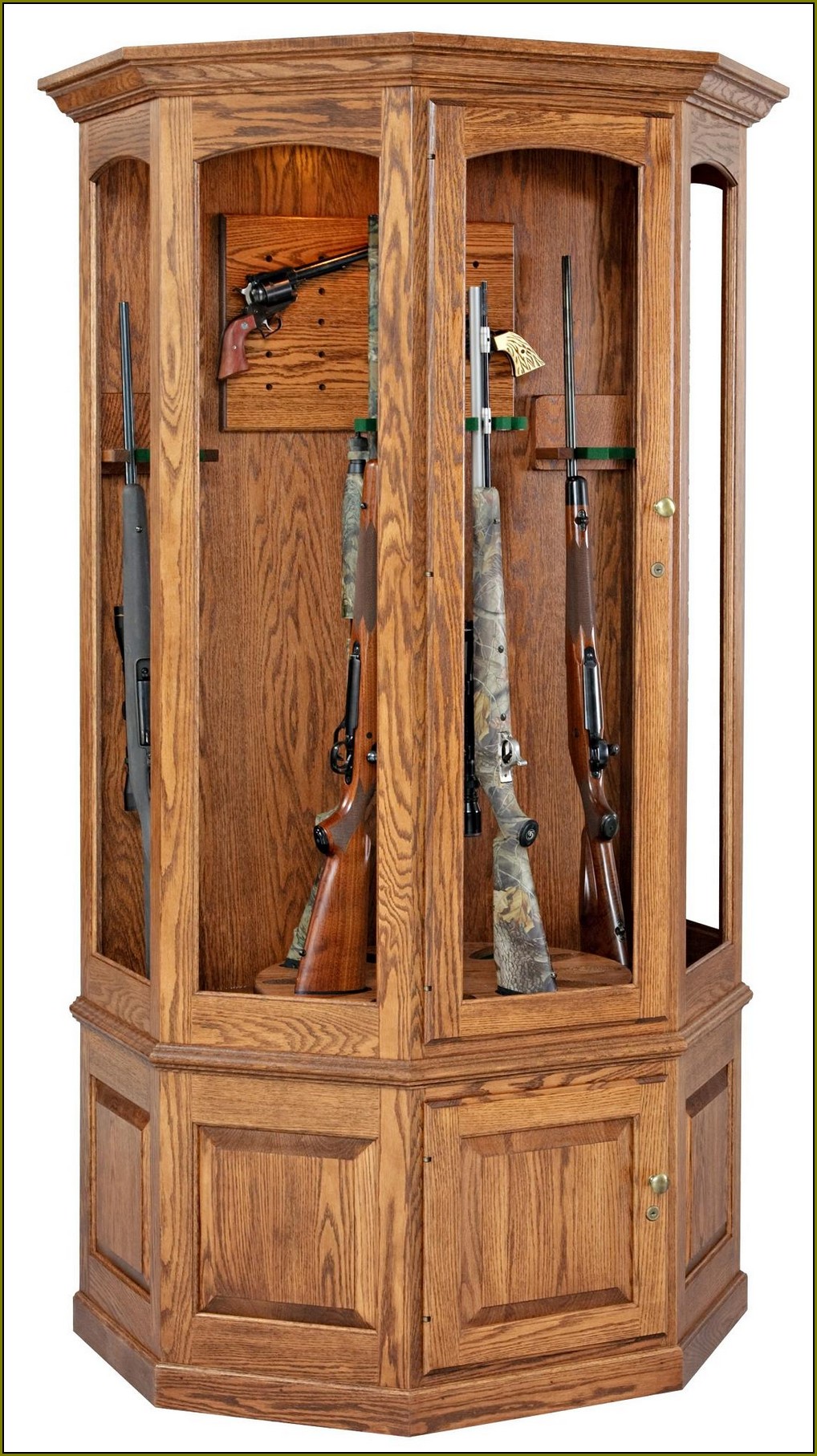
For firearm enthusiasts, a safe and secure storage solution is paramount. While pre-made gun safes offer convenience, building a custom wooden gun cabinet presents a unique opportunity to create a bespoke piece that reflects your personal style and meets your specific storage needs. This comprehensive guide will walk you through the process of building a custom wooden gun cabinet, from planning to finishing.
I. Planning and Design:
1. Determining Dimensions and Configuration:
Consider the number and sizes of firearms: Measure the longest firearm you intend to store, ensuring enough clearance for safe and comfortable access.
Plan for storage features: Decide on the number and types of shelves, drawers, or compartments for ammunition, accessories, and other items.
Consider the intended location: Measure the space available and account for doors opening, ventilation, and potential obstructions.
Decide on the overall style: Choose a design that complements your home decor, whether it's traditional, modern, or rustic.
2. Choosing Materials:
Wood: Hardwoods like oak, maple, or cherry are durable and aesthetically pleasing. Softwoods like pine can be used for less demanding applications, but may require additional protection.
Construction: Plywood or solid lumber can be used for the cabinet's core. Use a moisture-resistant plywood for increased durability.
Hardware: Choose high-quality hinges, locks, and handles that match the design and ensure security.
3. Sketching and Drafting:
Create a detailed sketch: Draw the cabinet's dimensions, layout, and features to scale. This helps visualize the design and ensure accurate measurements.
Consider using software: CAD software allows for more detailed planning and can help with visualizing the final product.
II. Construction:
1. Cutting and Assembling:
Cut the wood accurately: Use a table saw or circular saw to cut the wood pieces to size. Double-check measurements to avoid errors.
Join the pieces: Choose appropriate joinery techniques based on your skill level and the design. Dovetails, mortise and tenon joints, or even simple butt joints with glue and screws can be used.
Assemble the carcass: Construct the cabinet's main frame, ensuring squareness and stability. Consider using clamps or jigs for accurate alignment.
Install Shelves and Drawers: Construct shelves and drawers according to your plans, ensuring proper fit and stability.
2. Installing Hardware:
Mount Hinges: Install the hinges on the cabinet doors, ensuring they align perfectly.
Install the Locks: Securely attach the locks to the cabinet doors, choosing a locking mechanism that meets your security requirements.
Attach Handles and Knobs: Choose handles and knobs that complement the design and are comfortable to use.
3. Finishing:
Sanding: Smooth the surface of the cabinet with progressively finer grits of sandpaper, removing any imperfections.
Finishing Options:
Paint: Use a high-quality paint that complements the design and offers durability.
Stain: Apply a wood stain to enhance the natural beauty of the wood.
Lacquer or Polyurethane: Apply a clear finish to protect the wood from scratches, moisture, and wear.
III. Security and Safe Handling:
Gun Storage Practices: Always adhere to safe firearm handling practices, including storing unloaded weapons and keeping ammunition separate.
Security Features:
Locking Mechanism: Choose a high-quality lock that meets your security requirements.
Strong Material: Use durable wood and secure joinery for increased resistance to forced entry.
Anchoring: Secure the cabinet to the wall or floor to prevent it from being moved or stolen.
IV. Tips and Considerations:
Ventilation: Ensure adequate ventilation to prevent moisture buildup and potential damage to firearms.
Fire Safety: Consider incorporating fire-resistant materials in the cabinet's construction for additional protection.
Aesthetics: Choose a design that complements your home decor and reflects your personal style.
Functionality: Plan for convenient access to firearms and other items stored within the cabinet.
V. Conclusion:
Building a custom wooden gun cabinet is a rewarding project that allows you to create a unique piece that meets your specific needs. By following these steps, you can ensure a secure and functional storage solution for your firearms. Remember to always prioritize safety and security, and consult with experts if you have any doubts or require specialized advice.
No comments:
Post a Comment
Note: Only a member of this blog may post a comment.